In 2025, your website isn't just a digital business card. It's your storefront, your salesperson, your first impression — and for most customers, it's the deciding factor between calling you or calling your competitor.
Whether you run a restaurant, a law firm, a cleaning company, a boutique, or a construction business, one truth applies across every industry: a bad website loses you customers every single day. Most business owners know they need a good website — but far fewer understand what "good" actually means, what professional web design services really include, or how to avoid wasting thousands of dollars on a site that looks pretty but doesn't perform.
This guide breaks it all down. No fluff, no jargon — just straight talk on what you need, what you should expect to pay, and how to get a website that genuinely grows your business.
Time users take to form a first impression of your website
Of all web traffic now comes from mobile devices
Size of the U.S. web design services industry in 2025
Of websites still fail basic accessibility checks
01 Why Your Website Is Your #1 Business Asset
Think about the last time you looked up a local business. What did you do first? You Googled them. And within about three seconds, you decided whether they looked legit — or whether you'd keep scrolling. Your potential customers are doing the exact same thing to you right now.
Research shows that users judge a website's credibility in as little as 50 milliseconds. That's faster than a blink. A professionally designed site creates instant trust. A dated, cluttered, or slow-loading site raises immediate doubts — regardless of how great your actual product or service is.
"Your website is often the first and most influential touchpoint with potential customers — and that reality has become essential for business survival and growth." — Xnine Solutions, Digital Business Report 2025
Here's the kicker: 71% of small businesses report that adopting digital tools — including professional websites — helped them survive and grow through tough economic periods. A great website isn't a luxury. It's infrastructure.
02 What Professional Web Design Services Actually Include
When most people hear "web design," they think of how a site looks. But a truly professional web design service covers a lot more than visuals. Here's what you should expect in a complete package:
- Custom Design — A layout built around your brand, not a recycled template that dozens of other businesses in your area are using.
- Responsive Development — Code that makes your site look and function perfectly on every device: desktop, tablet, and phone.
- Copywriting & Content — Words that speak to your customers' problems and guide them toward action. Design without good copy rarely converts.
- On-Page SEO Setup — Proper page titles, meta descriptions, header structure, image alt tags, and site speed optimization so Google can find and rank you.
- Contact Forms & CTAs — Strategic placement of "call now," "get a quote," or "book online" buttons that make it effortless for visitors to become leads.
- Google Analytics & Tracking — So you can actually see how many people visit, where they come from, and what they do on your site.
- Security & Hosting Setup — SSL certificates, secure hosting, and basic site protection so your site stays up and trustworthy.
- Ongoing Maintenance — Updates, backups, and security patches to keep your site running smoothly long after launch.
- Any agency that can't show you a real portfolio of live websites they've built.
- Packages with no mention of SEO — a beautiful site no one finds is useless.
- No mention of mobile optimization in 2025 is a dealbreaker.
- Agencies that outsource all work overseas without telling you upfront.
- Long contracts with no performance guarantees or exit clauses.
03 Mobile-First Design: Non-Negotiable in 2025
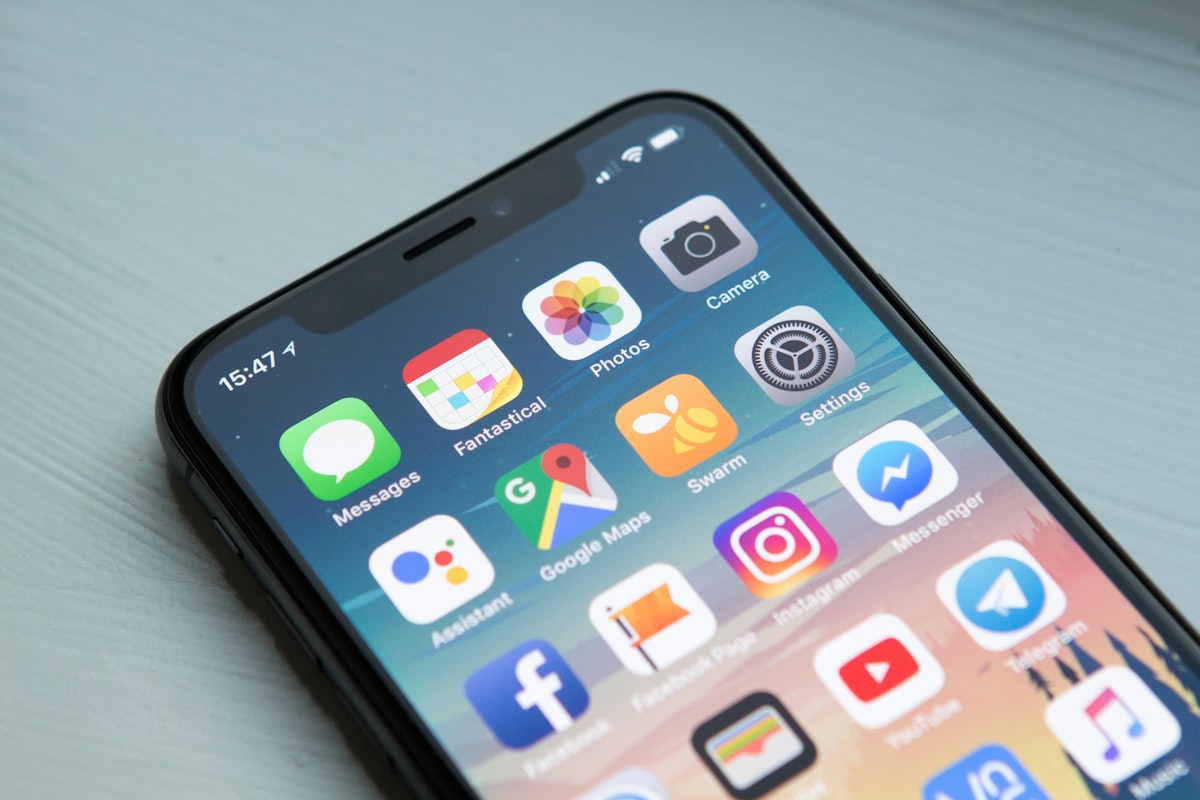
Responsive design ensures your site looks and works perfectly on every screen size — a must-have in 2025.
This bears repeating: 73% of all e-commerce revenue and more than 64% of global web traffic now comes from mobile devices. If your site doesn't load fast and look clean on a phone, you're handing customers to your competition with a smile.
Mobile-first design means your designer builds the mobile version of your site first, then scales up — not the other way around. It means touch-friendly buttons, fast-loading images, readable fonts without zooming, and a phone number that customers can tap to call you instantly.
Professional designers ensure websites are fully responsive, delivering a seamless experience across all screen sizes. This isn't just about looks — Google uses mobile usability as a major ranking factor. A site that's broken on mobile will struggle to appear on the first page of search results, period.
04 How Web Design and SEO Work Together

Good web design and SEO are inseparable — a site that ranks is a site that was built with search in mind from day one.
Here's something most business owners don't realize: the way your website is designed directly affects your Google ranking. Page speed, clean code, mobile responsiveness, proper heading structure, image sizes — all of it signals to Google whether your site deserves to appear at the top of search results.
Custom web design companies incorporate SEO best practices from the ground up, ensuring the site is structured, coded, and designed to rank higher in search results. This is the critical difference between a site that generates organic traffic for free — month after month — and one that just sits there burning your money.
Key SEO elements that should be baked into your web design from the start include fast page load times (under 3 seconds), clean URL structures, location-specific pages if you serve multiple areas, schema markup so Google understands your business type, and an internal linking structure that keeps visitors moving through your site.
05 Trust Signals That Convert Visitors Into Customers
A visitor landing on your website is making a snap judgment: Can I trust this business? Professional web design is essentially the art of answering "yes" before the visitor even has to ask.
The most effective trust signals to include on your site are:
- Real customer reviews and testimonials — preferably pulled live from Google or integrated with photos. Reviews are the #1 reason new customers choose a business they've never used before.
- Before-and-after photos or project galleries — show your actual work, not stock images. Authenticity converts.
- Prominent phone number — visible at the top of every page. Make it a tap-to-call link on mobile.
- Clear service and location information — customers want to know immediately that you serve their area and do what they need.
- About page with real people — a face and a name builds trust fast. Customers hire people, not logos.
- Certifications, licenses, or awards — display any credentials that set you apart from competitors.
- SSL certificate (the padlock icon) — non-negotiable. A site without HTTPS looks untrustworthy and ranks lower.
"Customers may be judging your business by your outdated site before they ever call. A new website can appeal to potential customers and help them find you in the first place." — Sixth City Marketing
06 What Does Professional Web Design Actually Cost?
One of the most common questions — and one of the most honest ones. Web design pricing varies enormously, and understanding why will help you avoid overpaying or getting burned by cheap work that costs you more in the long run.
DIY Builder
$16–$159/mo- Wix, Squarespace, etc.
- Limited customization
- Weak SEO control
- Great for testing an idea
- Not ideal for growth
Professional Agency
$3K–$10K+- Custom design & dev
- Full SEO foundation
- Copywriting included
- Ongoing support
- Built to convert
Enterprise / Complex
$15K–$50K+- E-commerce at scale
- Custom integrations
- Multi-location sites
- Advanced UX research
- Dedicated teams
According to Clutch.co, the average monthly cost of working with a web design agency runs around $7,139 — though most small businesses will find excellent results in the $3,000–$8,000 range for a complete custom site. The key is not finding the cheapest option, but finding the best value: an agency that understands your business goals and builds toward them.
07 DIY Website Builders vs. Professional Web Design
Tools like Wix, Squarespace, and GoDaddy Website Builder have made it easier than ever to get something online fast. And for some very early-stage businesses, that's fine. But there's a ceiling — and most businesses hit it fast.
DIY platforms often lack the sophistication and customization options needed for unique branding and user experience. They limit how Google can crawl your pages, they slow down as you add content, and they tie you to a platform you don't own. If Wix changes its pricing or discontinues a feature, you have no control.
Professional web design gives you a custom-built asset that you own outright. It's faster, more secure, more flexible, and built from day one to rank in search results and convert visitors into paying customers. Think of it this way: a DIY builder is renting a booth at a flea market. A professionally built website is owning your storefront on Main Street.
08 How to Choose the Right Web Design Partner
The web design industry is enormous — over 203,000 web design firms operate in the U.S. alone, with no single dominant player. That's a lot of choices. Here's how to cut through the noise:
- Review their portfolio critically — Do the sites they've built load fast? Look good on mobile? Have clear calls to action? Go visit the live sites, not just screenshots.
- Ask about their SEO process — Any agency that doesn't mention SEO as part of their design process is building you a site no one will find.
- Understand what's included post-launch — Who handles updates? Security? Hosting? What happens if something breaks?
- Check reviews and references — 80% of small agencies win business through referrals — ask for client references and call them.
- Make sure you own your site — Some agencies hold your domain and hosting hostage. Make sure you have full ownership and access to everything.
- Look for industry experience — An agency that's built sites for businesses similar to yours already understands your customers, your competitors, and what converts in your space.
- Can I see 3 live sites you've built in the last 12 months?
- Who writes the copy — your team or mine?
- Will the site be optimized for local SEO from day one?
- Who owns the domain and hosting after launch?
- What's your average timeline from kickoff to launch?
- What does ongoing maintenance cost, and what does it include?
09 Frequently Asked Questions
Most professional agencies deliver a complete small business website in 2–6 weeks, depending on the scope, how quickly you provide content and photos, and the number of revision rounds. Larger or e-commerce sites can take 2–4 months.
If your site is more than 3–4 years old, loads slowly on mobile, doesn't have SSL, or isn't generating leads, a full redesign typically delivers a far better ROI than patchwork updates. Think of it like renovating a house — sometimes a fresh start is cheaper than endless repairs.
WordPress powers over 40% of the internet and offers the best combination of flexibility, SEO capability, and long-term control for most businesses. Some agencies build on custom platforms or Webflow — both are fine as long as you own the site and can access its backend independently.
Not overnight — SEO takes time. But a professionally built site with strong on-page SEO, fast load times, and quality content will rank significantly better than a DIY site, and your rankings will grow over time as your site earns authority. Pair it with a content strategy (like a blog) and local SEO for the best results.
A crystal-clear call to action above the fold, visible on every device. Your visitors should never have to wonder what to do next. "Call now," "Get a free quote," "Book online" — make it obvious, make it easy, and put it where they can't miss it.
Ready to Build a Website That Works?
BuildPRO Business Services™ helps businesses of all kinds get online with sites built to rank, convert, and grow. Let's talk about what your business needs.
Get a Free Consultation Read More Articles